Discover Nepali Chulo
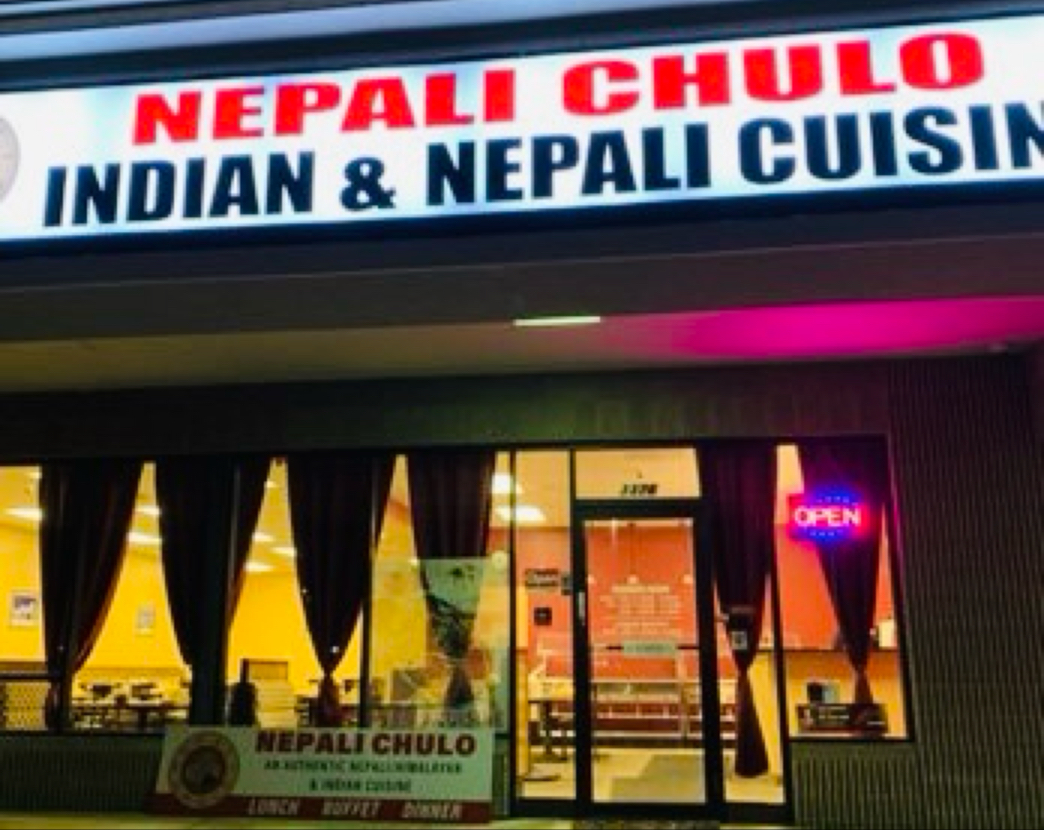
Walking into Nepali Chulo feels like stepping into a family kitchen rather than a commercial diner. The first time I visited the spot at 3376 S 5600 W, West Valley City, UT 84120, United States, I noticed how the aroma of cumin, ginger, and slow-simmered lentils hit before the menu even landed on the table. I’ve eaten Nepali food in home kitchens and community events over the years, and the flavors here line up closely with what you’d expect from a traditional hearth-style setup, where patience matters as much as spice.
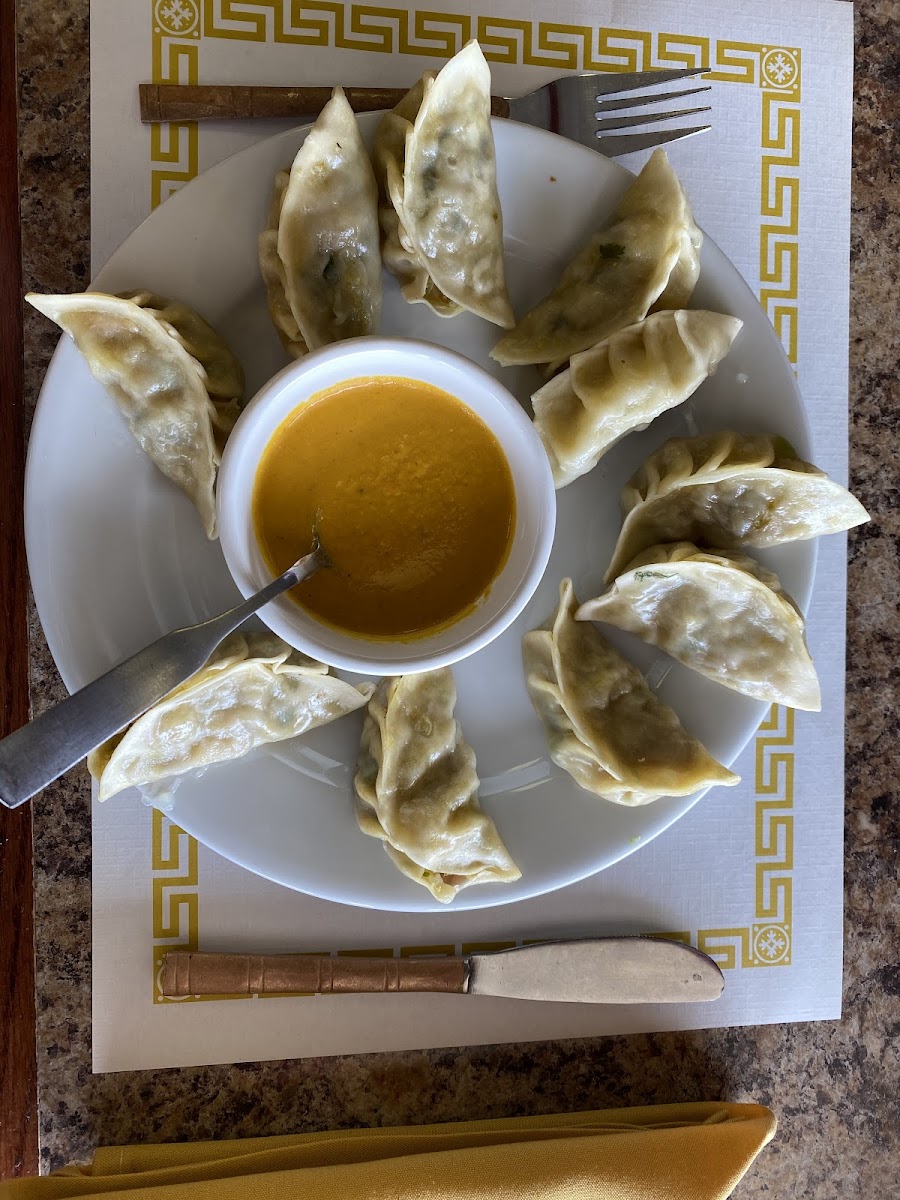
The menu reads like a guided tour through Nepal’s everyday comfort food. Momos are the obvious crowd favorite, and for good reason. During one visit, I watched a staff member folding dumplings by hand behind the counter, a method commonly used in Nepali households rather than mass-production kitchens. The filling stayed juicy, and the dough was thin but sturdy, which tells you the balance is right. Nutrition researchers from Harvard have pointed out that steamed dumplings retain more nutrients than fried alternatives, and that’s something you can taste here-clean, not greasy, and surprisingly light.
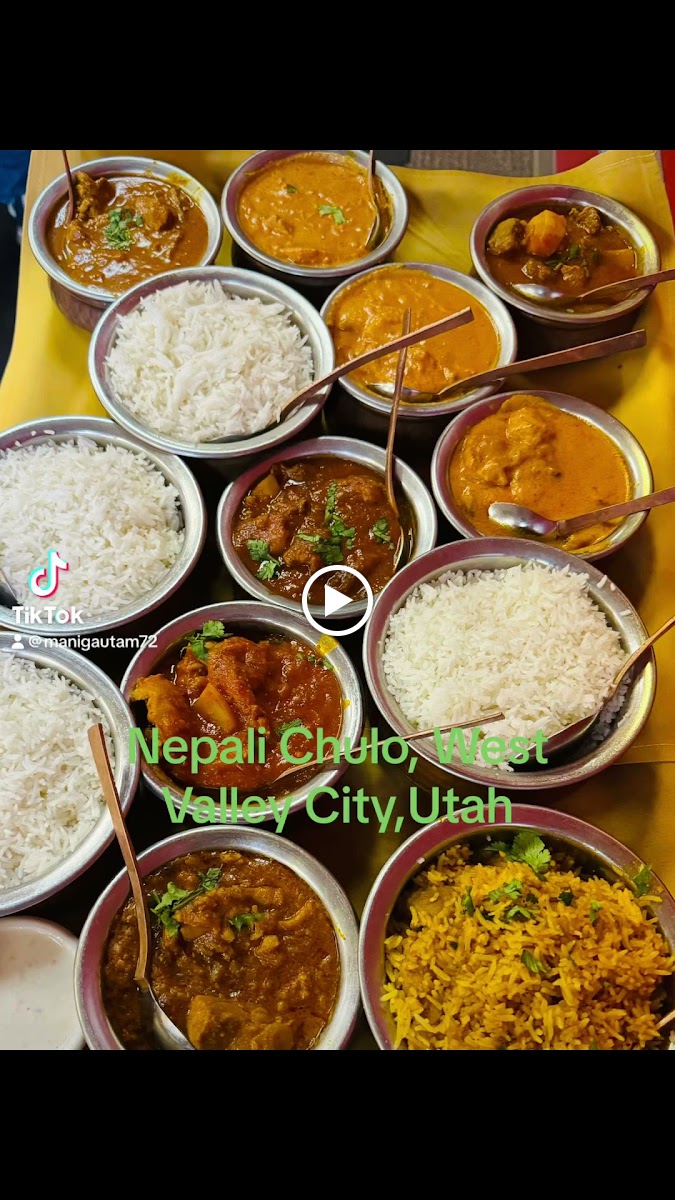
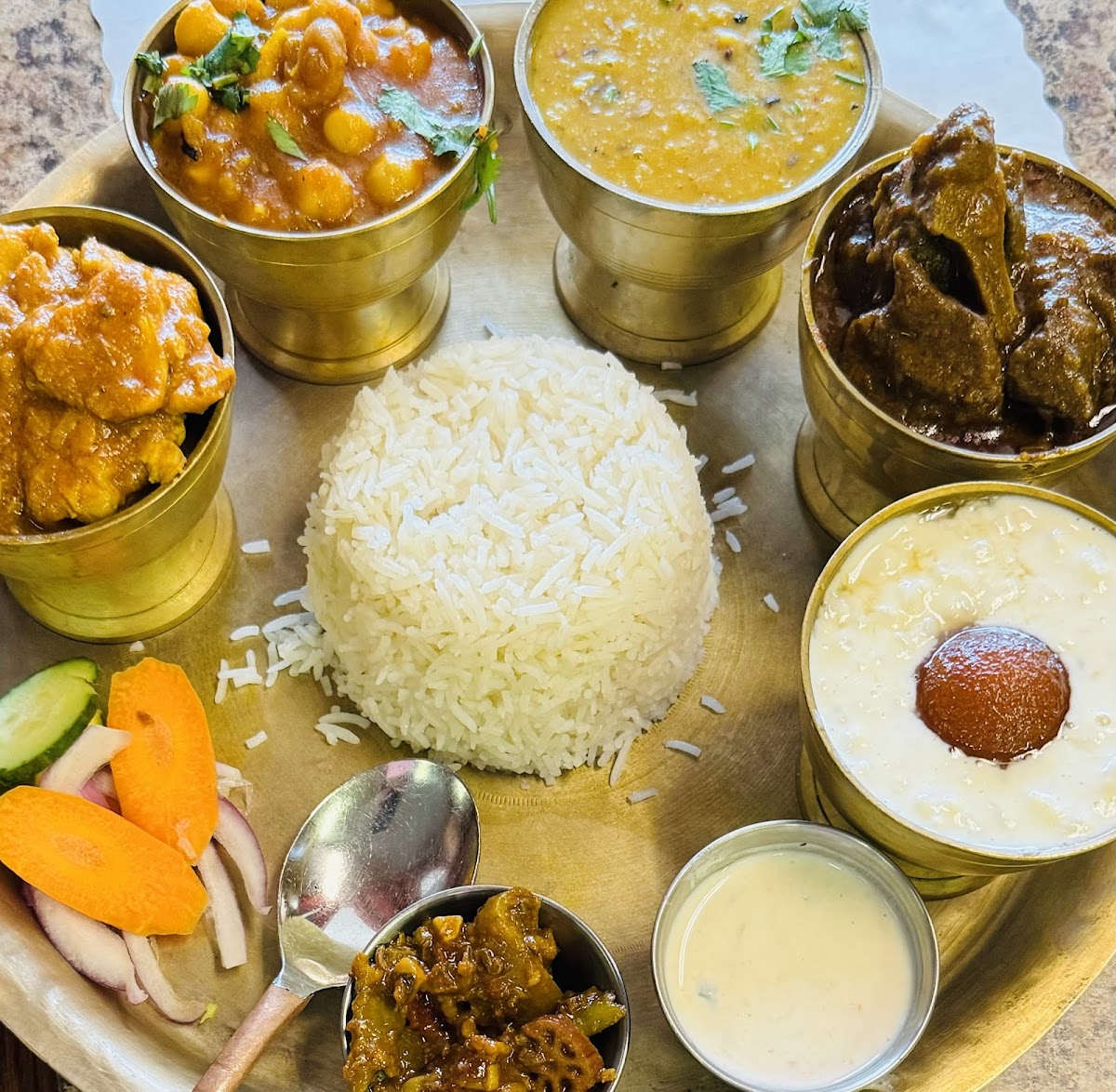
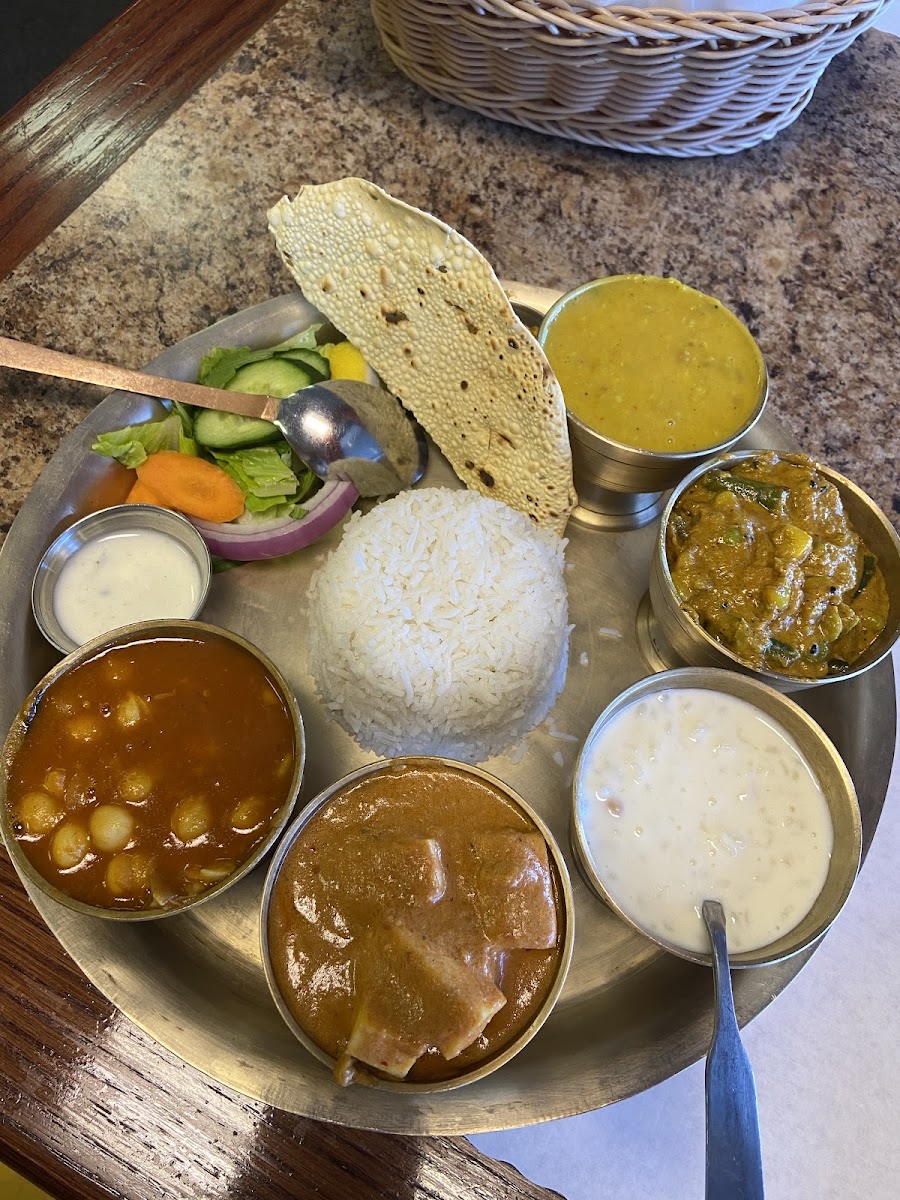
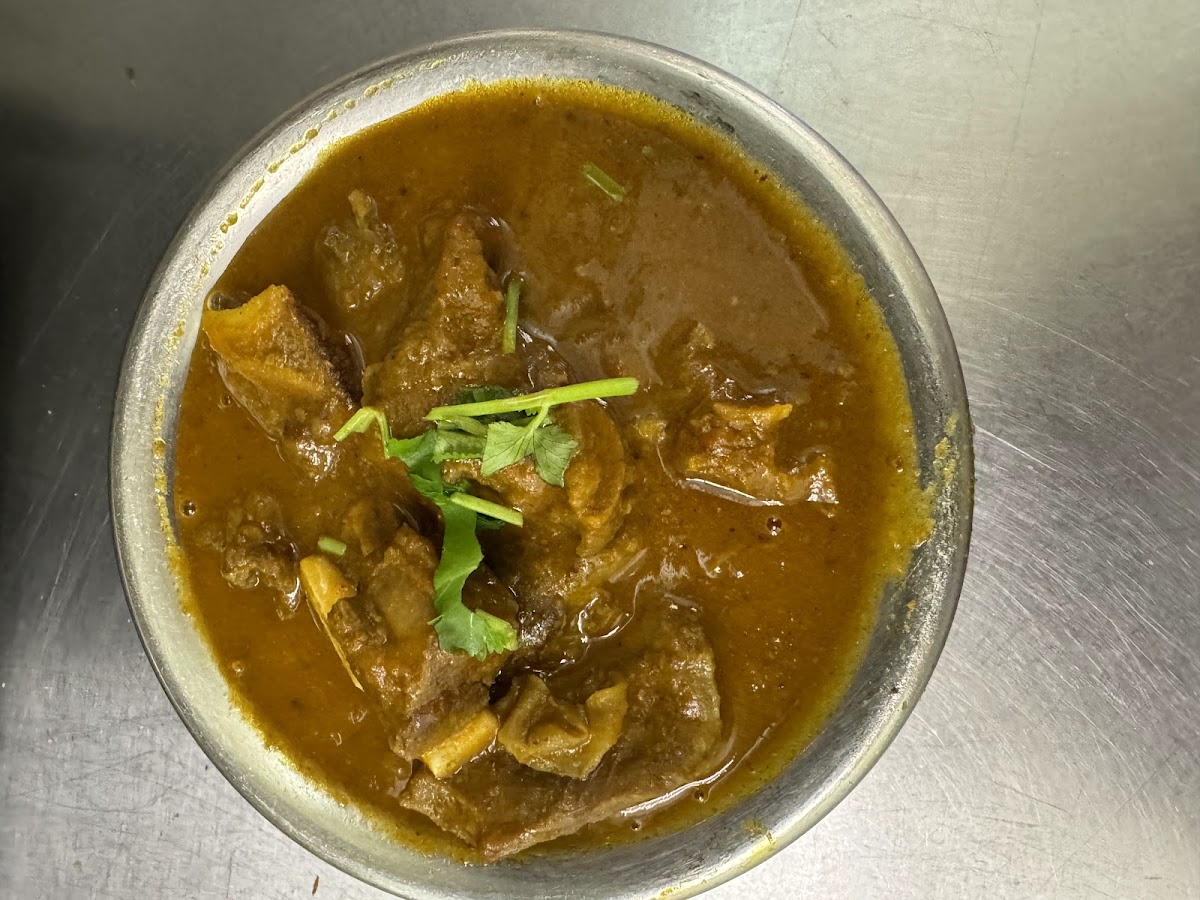
Dal bhat, often described as Nepal’s national meal, anchors the menu. In my experience, many restaurants oversimplify it, but here it arrives with properly tempered lentils, seasonal vegetables, and rice that isn’t overcooked. According to data shared by the World Health Organization, meals built around lentils and vegetables like this are linked to improved heart health and steady energy levels, which explains why dal bhat is eaten daily across Nepal. The kitchen sticks to that philosophy rather than dressing it up for show.
What stands out across multiple visits is consistency. A friend of mine, who reviews South Asian restaurants professionally, joined me on one occasion and pointed out how rare it is to find Nepali flavors that don’t drift toward Indian or Tibetan profiles. The spice layering here stays distinct-less cream, more earthiness, and controlled heat. That matches guidance from culinary historians who emphasize Nepal’s reliance on dry roasting and slow cooking rather than heavy sauces.
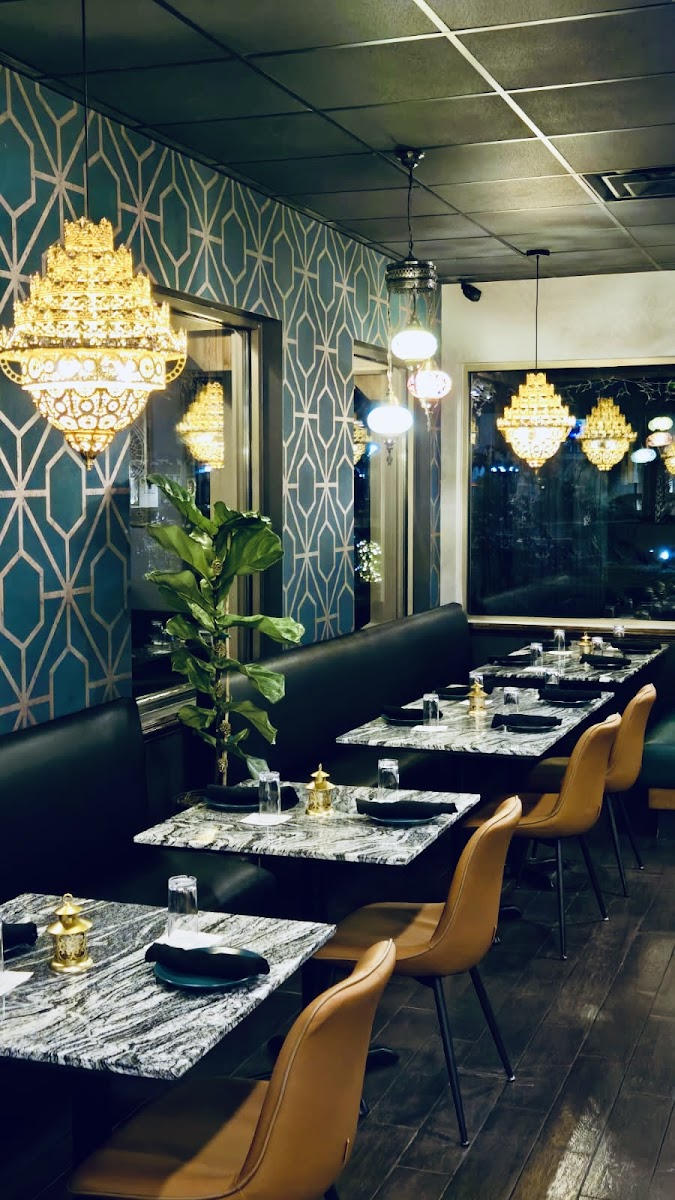
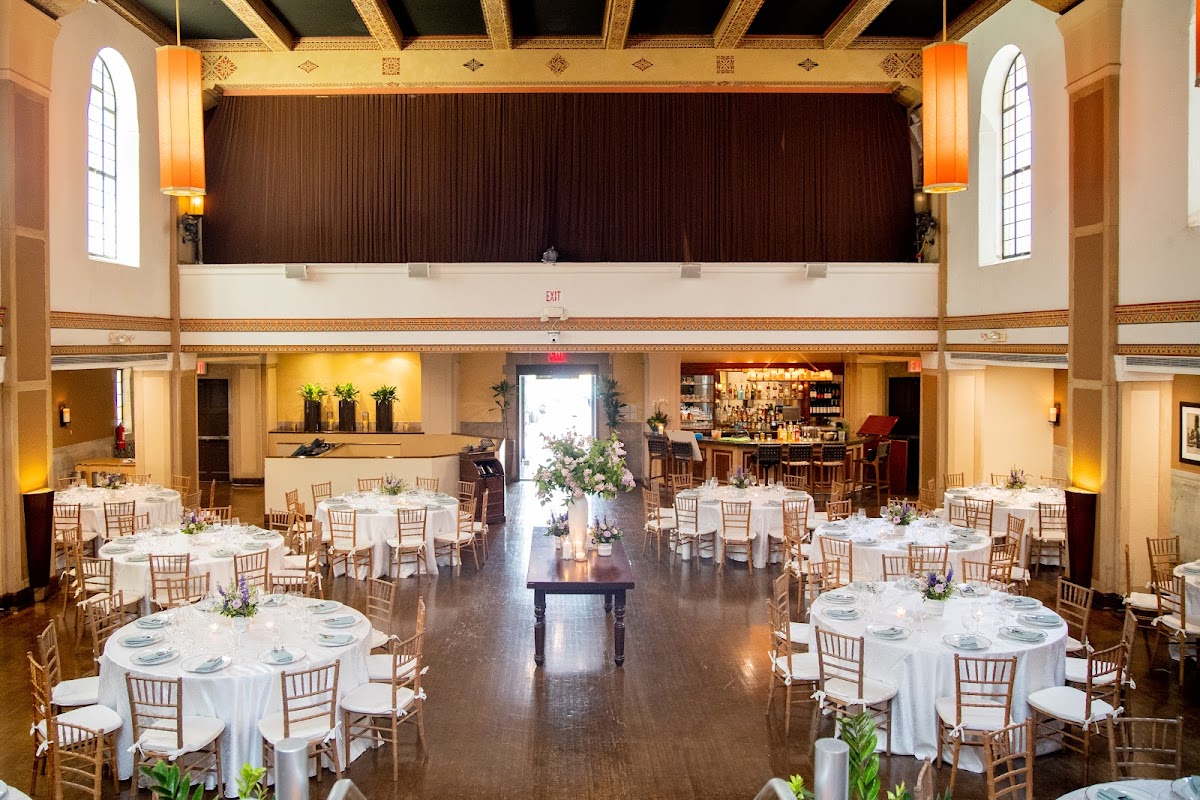
The dining room itself is simple, almost diner-like, which fits the food. It’s not trying to be trendy, and that honesty shows in customer reviews. Locals often mention the welcoming service and the fact that staff are happy to explain dishes without rushing you. During one visit, I asked about the achaar served alongside my meal, and the server explained how fermentation time changes the flavor, a small detail that builds trust because it shows knowledge, not rehearsed answers.
There are limits, and it’s fair to acknowledge them. The menu isn’t massive, and if you’re looking for ultra-modern fusion dishes, you won’t find them here. But that restraint is intentional. By focusing on core recipes, the kitchen maintains quality control, something restaurant management studies from Cornell highlight as a key factor in long-term customer satisfaction.
For anyone exploring Nepali cuisine for the first time or craving something close to home, this location works as both a casual diner and a cultural reference point. The food, service, and steady stream of positive reviews suggest a place that understands its roots and sticks to them, meal after meal.